Quick hits in digestible chunks, get the lowdown on timely tidbits, funding opps, and just plain fun stuff to occupy your mind with good things, even if just for a moment:
-
All Roads Lead to … Philosophy? — This one had us mindblown, so we tried it ourselves and 10/10 it’s legit. Try it with a coworker today.
-
NEA Grants — The National Endowment for the Arts offers grant funding out the wazoo for downtowns, cultural orgs, and actually making America great, including the Grants for Arts, Challenge America, Design & Our Town (placemaking) programs, and more.
-
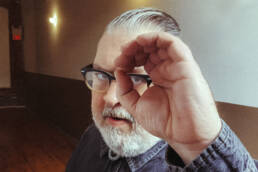
Umm, NO! — Your choice in footwear says a lot about your personal brand, but lines have to be drawn somewhere, and this one did not make the cut for us. If you simply must, please don’t wear them to Placemaking Week.
Photo credit: by Nathan Duck on Unsplash
The nostalgia trend is big in 2026. And while every generation puts on rose-colored glasses when reminiscing about days gone by, the trend is seemingly in everyone’s face right now for particular reasons. In times of crisis, uncertainty or fear, many people retreat inward emotionally. And that can come in many forms, from listening to a cherished “oldie” to take your mind off the “stress du jour”, to watching reruns of beloved TV shows, to expressing one’s own brand with a vintage flair, to reaching for time-honored snacks or comfort foods — just to name a few. As 2026 has already proven to be a cortisol-fueled, white-knuckled test of strength with daily disconcerting headlines, the overturn of long-entrenched social mores and norms, to the upending of the world’s strategic alliances — all ages are retreating to the comfort and security of nostalgia (or at least perceptions thereof).
Much has been written, in particular about Gen Z’s relentless pursuit of 2016 vibes, but it’s not only our younger cohorts yearning for simpler times. The New York Times posed the question of “Why Do We Want it to Be 2016 Again?”, and the answer is unabashedly plain. We yearn for the nostalgia of an internet that felt more authentic and democratic, where social media had chronological feeds showing posts from actual friends rather than algorithm-curated content from influencers and ads, and where people could post casually without pressure or the sense that “all eyes of the world were watching.” Fair enough. The enshittification of the Internet has been widely documented. We tire of internet slop, AI-produced dis-/mis-information and crave authentic human connection. Not surprising.
“Your consumers aren’t reliving the past. They are remixing it.”
For younger demographics, the desire to return to simpler times is a human response to the upside-down, bass-ackwards world they’ve inherited. Recession pop is all the rage, but it’s not just an ephemeral trend or a straight-up cultural pick-up. The article states that “Your consumers aren’t reliving the past. They are remixing it. They crave the emotional familiarity of what they loved before, paired with the freshness of discovery,” and that leads us to the next phase in this examination of nostalgia — how to do it right.
“We need to be investing in ‘Contextualized Nostalgia’”
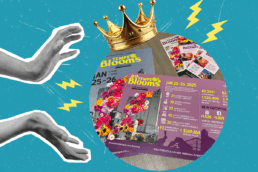
According to Social Hike, simply regurgitating weak caricatures of vibey cultural visuals and cutting corners with “Commoditized Nostalgia” that offer a fleeting proxy to the real deal —we need to be investing in “Contextualized Nostalgia” by developing engaging pathways and touchpoints that have meaning to both brands and consumers alike. The article’s (albeit low-design, but highly impactful) “this not that” graphic take exploring the two sides of the current nostalgia storm, underscore the meaning and connection that render contextualized nostalgia a win for brands. And much of it has to do with slowing down, and thoughtfully consuming media, history, and exploration of archives as a tangible path to connection for humans. Case in point, we published our 10th Anniversary zine last year, and it was a smash hit. (Sidebar, if you didn’t get your handheld piece of placemaking history, shoot us an email and we’ll gladly mail ya one — complete with 3D glasses)!
But this slower take on consumption underpins a cross-generational sense that things have become too fast, too fleeting, and meaningless. In a newscycle that flips daily, and near constant attempts at distraction, ephemeral and meaningless content, AI-driven vacuousness, and the overwhelming bombardment many of us feel because we’re carrying around a device intended to connect us to the world, that in fact, in many ways pushes us away from it.
Patience = prescience.
There’s a good reason why many of us can sing the theme songs to old sitcoms, repeat on cue the grocery list that defined Gen X, or waited with bated breath until the next serialized graphic novel, comic book, or “Goosebumps” book came out. Patience = prescience. Having to wait a week between episodes of your favorite shows, months between snow days and summer break, or years between Star Wars movies all cemented them in our psyches. We collectively dreamed, wished, and anticipated the next enthralling installment of XYZ — rather than doomscrolling or binge-watching entire seasons of television and not retaining any of it. And in that interim, liminal period, we made memories. Today’s barrage of fast fashion, “shorts,” and instant gratification leaves us emotionally empty. Hence, the desire to go backwards (nostalgia) instead of boldly forward to a more promising future.
“Overall — slow your roll!”
So what does all of this mean for place-based marketers, designers, urban planners and content strategists? Overall — slow your roll! Lean into the nostalgia trend when it makes sense. Do it with genuine authenticity. Connect your communities to their brick-and-mortar locations, your historic architecture and 3rd places, your revered and beloved community traditions and cultural touchpoints. What makes your place’s past important can certainly undergird your efforts moving forward. As long as they’re rooted in realism, authenticity and track with today’s target audiences.
“In an age of frictionless convenience, designing for anticipation and imperfection may be the most radical form of placemaking we have.”
One of the hottest takes we’ve seen comes from Praxis Placemaking Studio, where they explored the nostalgia trend from a design perspective (that tracks across all disciplines for placemakers, including Economic Development and MarCom), “In an age of frictionless convenience, designing for anticipation and imperfection may be the most radical form of placemaking we have.”
And whether looking forward or backward, the need to connect your place’s past with its future just may require a radical approach to placemaking with a side-serving of authentic, contextualized nostalgia.
Photo credit: by Matt & Chris Pua on Unsplash

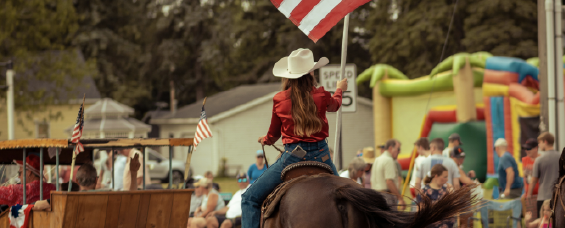
… that in an age of deepening partisan divides and community disengagement, the answer to building stronger communities may start at home? It’s not surprising that the cure for countering sour politics fairly well pairs with a placemakers playbook. In this insightful article from Governing, the author proffers three takeaways that mirror placemaking best practices, including:
-
Creating civic rituals that boost local patriotism. Think farmers markets, recurring events, fireworks, and traditions that nurture local civic pride.
-
Celebrating iconic places, which is basically what we mean when we say “lean into local”. From landmarks deeply associated with your own locality, to local custom, traditions and even vernacular architecture — the playbook for patriotism locally leans on celebrations of place that are unique identifiers of your local brand.
-
And lastly, bring the kiddos! We can probably all recall the excitement, wonder, and engagement we felt as kids watching a local holiday parade, making group art, or playing on a little league sports team. Growing civic pride starts from an early age, underscoring the need to program locally for families (your own events/programs), or acting as a convener for local events, by hosting a community calendar, spreading the word about merchant-specific activations, or even curating and collating local transpo options like Downtown Tempe does.
That said, how does your organization lean into local or incorporate local patriotism into your programming, events, and family-friendly activations?
Photo credit: by Samuel Girven on Unsplash
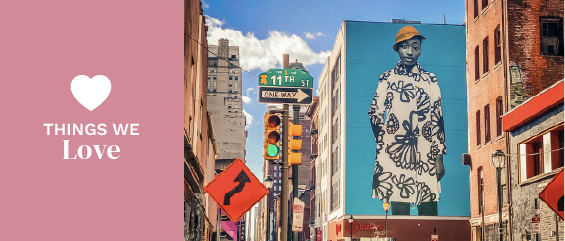
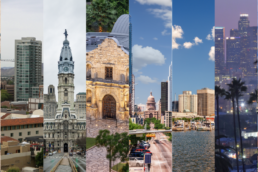
Need a template for public art? Look no further, fam. What began over forty years ago as an “anti-graffiti network,” Philadelphia Mural Arts is the organization behind a public art renaissance that helped turn around Philly’s fortunes and reputation as a world-class destination. Today, with over 4,000 murals attributed to the organization alone, Mural Arts is a lauded leader in civic public art, and the organization has launched Mural Arts Institute, dedicated to advancing socially-engaged public art practices. If you’re looking to launch or beef up public art programs in your locale, check out the institute’s resources to get advice, connect with artists, and get guidelines on community mural making from the organization that helped render Philadelphia the largest open-air art museum in the world.
Photo credit: by Denys on Unsplash

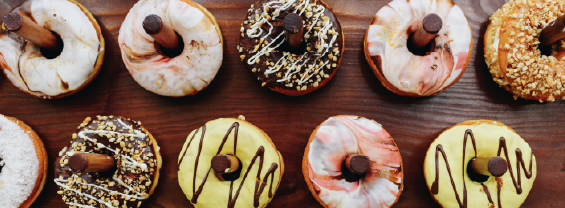
From fritters and beignets to crullers and Fastnachts, donuts hold profound power to brighten your day and sweeten your disposition. With Mardi Gras fast approaching (February 17th this year), we’re taking a turn away from New Orleans and looking at a different sort of cultural tradition leading into Lent — donuts! In many places where Lent is celebrated, the final day before the period of fasting and self-denial begins by using up the butter, lard, and sugar you’ve been rationing throughout the winter. In the Pennsylvania Dutch culture of Southeastern Pennsylvania, the day before Lent is heralded with a special fried confection known as “Fastnachts”. Transliterated as “donuts”, and not linguistically synonymous, per se, these delicious oily doughballs herald the oncoming Lenten period, and also supply simple moments of joy in the dead of winter. To pay homage to the mouthwatering little fried bits of goodness, today we present you with the top donut shop in every state. Bon appetit!
Photo credit: by Anastasiia Chepinska on Unsplash
“In an age of frictionless convenience, designing for anticipation and imperfection may be the most radical form of placemaking we have.” –Brian Baksa, Praxis Placemaking Studio