

Here’s your petite hodgepodge of not-to-be-missed tidbits from the worlds of placemaking, MarCom and Eco Devo:
- Low tech + high impact — this series of zoetropic paintings adorning the walls of a highway overpass in Indio, California demonstrate the power of placemaking in the blink of an eye.
- Book Club — The New Urban Order rounded up some worthwhile reads for you this spring, including the latest from Jay Pitter on Black Public Joy.
- Future Proofing — Futurist JT Mudge shares his thoughts on how to prepare for uncertainty in place, in this latest episode of the Sidewalk Ballet podcast. Pro tip: listen to the previous episode to hear our co-founder wax poetic on Philly, FIFA and more.
Photo credit: Envato / Wirestock
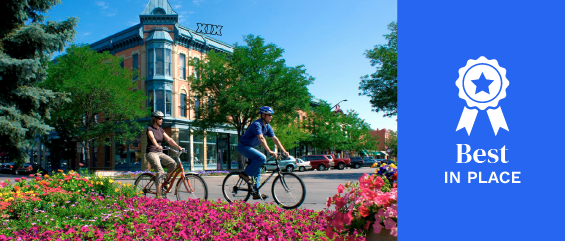
With the price of nearly everything going through the roof, the prospect of taking a family to Disney (Land or World, your choice) can be as horrifying as one of their classic villains. So for you Disney aficionados out there planning this year’s travel, consider an authentic experience, and visit the real downtown that inspired Walt’s iconic Main Street USA — Fort Collins, Colorado, ofc. In 2026 — authenticity is in, and rather than corral your dollars into a megacorporation’s thankless pockets, consider the genuine adventures that await you in Larimer County. About an hour’s drive due north of Denver, Fort Collins is a charming city of under 170K in population, and laden with enchanting mom & pop businesses, year-round outdoor recreation, top-notch dining and drinks — festivals, community, and culture out the wazoo. But don’t just take NatGeo’s word for it. Connect with our friends at Downtown Fort Collins to discover something for every interest, age, and activity your family could possibly dream of this year.
Photo credit: Downtown Fort Collins

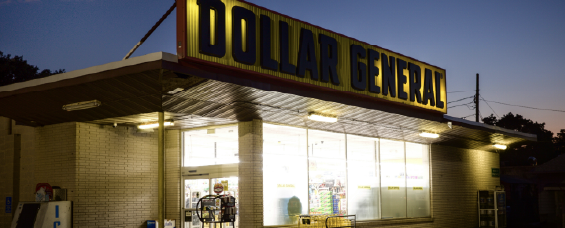
… that Milwaukee not only defended a community from an advance by a rapacious corporate entity, but it also turned that opportunity and a former food desert into a thriving district in less than ten years? We were fascinated to read this case story from Main Street America that serves as an outstanding model for districts looking to create community while rebutting attacks from the likes of Dollar Tree. The results? Since 2017, the Historic King Drive BID gained a local, mom & pop anchor business in a district that has had $4.2 million in private investment, 23 net new businesses, and 94 net new jobs. So grab your notepad and pencil to see how Milwaukee learned to Stop a Dollar Store.
Photo credit: Cam Ballard on Unsplash
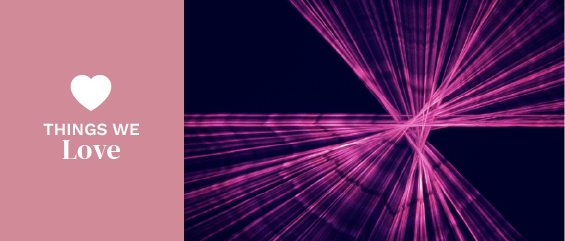
Interactive light art creates Instagram-worthy moments that draw crowds and extend dwell time. These aren’t just pretty decorations. They’re experiential anchors that transform public spaces into destinations, especially during evening hours when foot traffic typically drops. Plus, they signal innovation and creativity, helping districts brand themselves as dynamic cultural hubs rather than just shopping or business centers. Todd Moyer and his company (which may be best known from their installations at the Electric Daisy Carnival) create interactive light installations that turn passive viewers into active participants. Their work includes “Illoominated II”, a laser loom that weaves light into shifting patterns at Portland , OR’s Winter Light Festival, and “Laser Graffiti”, where people “spray paint” walls with laser canisters that leave glowing trails in real-time.
What makes these pieces special is the participatory element. They’re designed to give people that same rush Moyer felt as an 8th grader when he first made lights dance to music, and we love the story behind the artwork. Learn more on his Insta.
Photo credit: Erfan Afshari on Unsplash

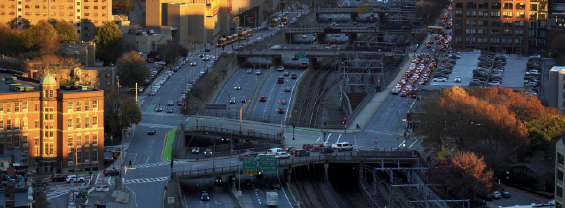
The famed, late Italian architect and designer Gaetano Pesce‘s “Double Heart” installation is doing something pretty special for Boston’s Lyrik development. This 30-foot glowing red sculpture isn’t just sitting there looking pretty — it’s turning a mixed-use development over the Mass Pike into an actual destination. Millions of drivers see it from the highway below, while people up on the plaza get to experience it up close, especially during those popular sunset gatherings that were already drawing crowds to the spot.
What’s really interesting is how this piece works on different levels. It’s Boston’s only permanent public Pesce sculpture, which gives the whole area some serious cultural weight. The developers are clearly hoping it becomes as iconic as Chicago’s Bean — the kind of thing tourists put on their must-see lists. And because it uses the simple, universal image of hearts pierced by an arrow, it connects with people emotionally, offering a message about love and connection that feels especially meaningful right now.
The sculpture basically transforms what could have been just another commercial space into something more significant. Art advisor Molly Epstein calls it both “a civic gateway” and “a pilgrimage site,” which captures how public art can completely reshape how we think about and use a place. It’s not just decoration — it’s giving people a reason to care about this location.
Photo credit: Brett Wharton on Unsplash
“Everything has a learning curve, of course, so the most important skills are patience and tenacity.” –Interactive light artist Todd Moyer, 11D Agency