

What’s In and What’s Out: 2026 Design Trend Predictions and What They Mean in Placemaking
Let’s be clear, trends are signals, not instructions, and the best placemakers know how to interpret them in ways that strengthen community and experience. We’ve spent all year with our eyes and ears wide open to what’s shakin’ in placemaking and have identified three key shifts and what they mean for the future of creating meaningful places.
Design trends shaping 2026 offer a clear message: people want authentic environments, both digital and physical, that feel human, contextual, and intentionally crafted.
AI, the acronym on everyone’s lips as of late.
What’s In:
AI moves from novelty to utility. In 2026, its role in placemaking centers on automating complex data analysis, simplifying operations, and enabling more accessible experiences, be it through adaptive interfaces, translation features, or user-friendly wayfinding tools. When used ethically, AI becomes a tool for authenticity and inclusion, helping brands and destinations understand real needs and build allegiance through transparency and improved service.
This year, Bright Brothers built an AI-powered campaign planning tool for The Greater Bangor Region, utilizing all the qualitative and quantitative data discerned and distilled into actionable goals for 10 defined personas that will help facilitate and empower decisions that directly affect the community and its constituents.
What’s Out:
The era of “AI design slop” is fading fast, and consumers are giving it the often missing, middle-finger. Over-generated, low-quality, generic visuals and content undermine trust, and audiences are growing wary of deep fakes and misleading imagery. Anything that introduces doubt into the user experience has no place in modern placemaking. In San Francisco, some venues have begun to ban the use of AI in promotional flyers.
Regionalization Over Globalization
What’s In:
We expect to see even more follow-through in localization, such as those outlined in this article published by Print Magazine where brands are leaning into their regional identity — think local flavors, cultural nuances, craftsmanship and neighborhood narratives. This shift transforms places into expressions of community pride rather than simply duplicating solutions found in other destinations.
What’s Out:
“One-size-fits-all” we don’t even know her. Homogenized aesthetics and global sameness miss the mark with audiences seeking authenticity, adventure, connection, specificity, and a sense of belonging.
Big Data
What’s In:
2026 brings a more empathetic approach to data. Designers and placemakers need to be listening closely to their residents, stakeholders, and visitors alike, using data with responsibility and respect. Like Spotify Wrapped, data becomes a delight, illustrating personalization that feels thoughtful instead of intrusive. The goal: create environments shaped by insight—without crossing privacy boundaries.
What’s Out:
Surveillance-state vibes. Over-tracking, over-targeting, and making decisions based on bias instead of data-driven understanding is divisive, erodes trust, and compromises community.
Our Hot Take
The 2026 landscape invites the places and spaces that bring people together to interpret these shifts with intention—using technology wisely, celebrating local, and designing for people first — with empathy at the core.
Written by Brandi Walsh, Lead Creative for Bright Brothers Strategy Group
Photo credit: Envato Elements
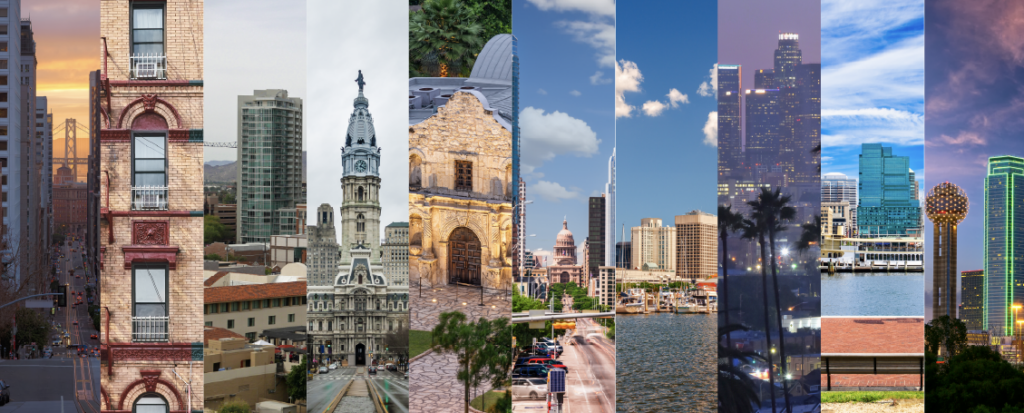
Who doesn’t love a success story? And in keeping with the trend, we’re applauding a decade of milestones and wins for Vision Zero. The ten-year-old program has demonstrated quantifiable impacts, improved safety and quality of life in our cities at the (literal) intersection of pedestrians, transportation, and public realm. Vision Zero pilots and programs in cities like Austin, Cleveland, Columbus, Milwaukee, Philadelphia, Portland, San Francisco, and more are celebrating successes as the program turns ten, and it all started with a local grant. Has your city adopted the framework yet? If not, perhaps the next decade of safer places and spaces will see your city added to the list, thanks to Vision Zero.

… that 2025 marks a solid decade of Bright Brothers Strategy Group? We launched with two district clients in 2015 and have introduced dozens of communities to our custom-built Personas and vetted POSTR planning process since. As we look optimistically towards the next decade of success, we wanted to take a moment to step back, analyze the figures, and mark this momentous milestone with some exciting stats!
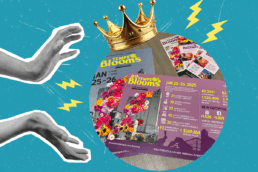
Since launching, we’ve worked with dozens of place management organizations, including 20 UPMOs, three DMOs, and two civic municipalities directly. We developed four destination brands, and nearly 200 custom-built Personas for our clients to hone, refine, and quantify their targeted efforts in Marketing and Communications, Placemaking, and Economic Development. We developed the visual identity for over 57 events, activations, and campaigns for districts all over the country, including three award-winning initiatives (Let’s Glow SF, Tempe Blooms, and an email overhaul for the City of Tempe). We built a custom Placemaking Toolkit for the largest BID in NYC with our partners from Starkey Strategies. We published 35issues of our COVID NOTES e-blast beginning in March 2020, including 175 features written. We then launched the Bright Brothers Bulletin and have sent 94 editions, (including this one), totalling a whopping 470 articles written, including a dozen interviews with unparalleled partners that power our industry, like A3 Visual, Biangle Studio, Hello Lamp Post, Le Monde Studio, Owl & Stag Productions, Praxis Placemaking Studio, ShopLocal2Win, Storefront Mastery, Vibemap and more over the past 237 weeks. And we published our first zine! But best of all, and the thing we’re most proud of, are the quantifiable impacts of our work. While so much of what we do falls under the “tangible/intangible” category (strategies don’t always lead to direct ROI in dollars) — what we can guarantee you is that of our clients where we’ve played a strategic hand in placemaking, we’ve directly contributed to over $50 million in economic impacts for the communities we work with.
We’ve thrown a lot of stats atcha, and hope that while you snuggle up on cozy nights with your fave peeps and hot cocoa, please consider how we can collaborate with you and your district in the coming decade to help bring sugarplum fairies and candy cane dreams to your downtown, district or DMO.


Long before urban families gathered around twinkling Douglas-firs each December, these steadfast evergreens were quietly weaving themselves into the very fabric of America. From the eastern white pines that graced our first colonial coins to the Sitka spruce that built World War I fighter planes, conifers have stood as silent witnesses to our nation’s unfolding story. Today, as we navigate our fast-paced digital lives, these ancient trees — descendants of the Archaeopteris that covered Earth 367 million years ago — remind us of something enduring and true. They thrive where almost nothing else will grow, embodying a resilience we might envy in our modern world. Consider the humble Christmas tree farm: it protects rocky landscapes from development, provides crucial wildlife habitats, and even offers local farmers meaningful work. Each real tree we choose represents a small act of connection to the land and to traditions that stretch back generations. Their unique cellular structure—like tiny LEGO bricks perfectly aligned—gives them remarkable strength, much as our own connections to nature and history fortify us. As we string lights and hang ornaments this season, we’re participating in a ritual older than we know. These evergreens, standing verdant and fragrant in our homes, carry whispers of frontier rebellions, wartime innovation, and the simple beauty of things that endure. They ask us, gently, to remember what matters — and to stay rooted.

Would you die on the hill for a peanut butter blossom? Have you ever contemplated shanking your Grandma with sharpened rebar for another snickerdoodle? Would you stoop so low as to lick the floor where a Linzer fell? We all have our preferences and predilections for our fave, once-a-year confections — and Christmas cookies are BIG business in the States! In fact, it’s estimated that Americans consume over two billion X-mas cookies annually, breaking down to an average of 26 cookies per person from Thanksgiving through New Year’s (seems kinda low, eh?). That said, find out what the Food & Drink folks at Evite had to say about the favorite holiday cookie in your state.
“While the merry bells keep ringing, Happy Holiday to you!” – Irving Berlin